
We’re currently developing a comprehensive beginner’s painting guide. This will be a detailed PDF document with step-by-step instructions, supporting images, links to some helpful videos, and recommended products. It covers every stage of the painting process — from assessing your project and preparing panels, to applying each coat with confidence and achieving a professional finish. You’ll also learn how to set up an effective painting area without the need for a full paint booth, how to avoid and correct common mistakes, and which tools, materials, and safety equipment are essential.
Here’s a more detailed description of each of the 9 sections:
Section 1 Workspace Considerations:
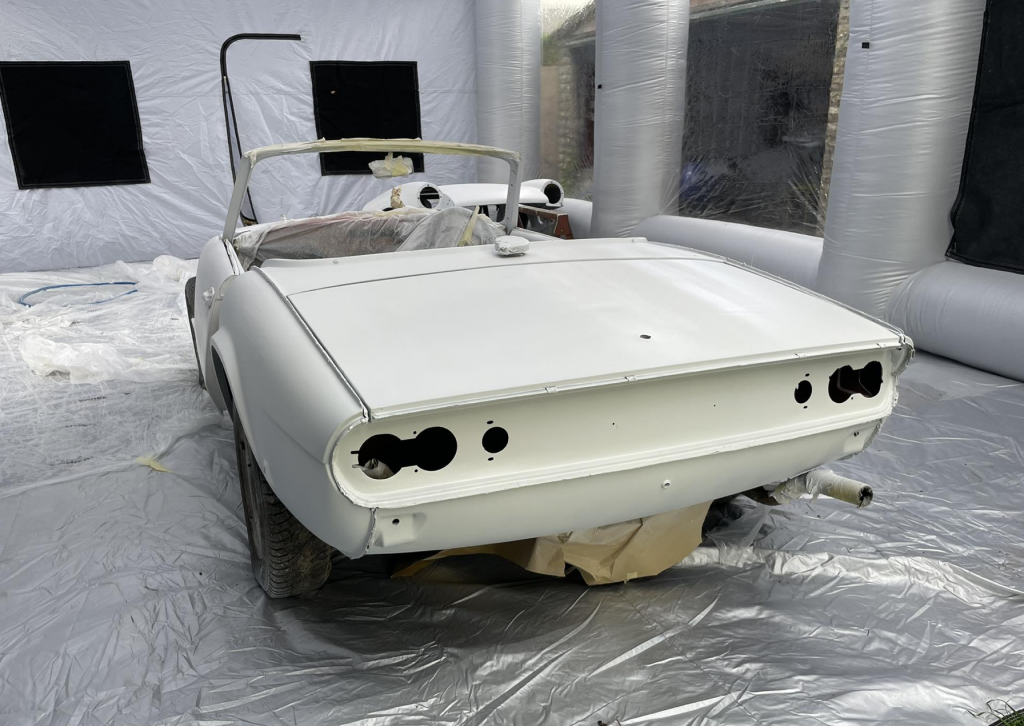
In this section, we’ll explore the key issues that a professional paint booth is designed to control such as dust, fumes, lighting and temperature and then we’ll consider how you can create your own painting area at home which will address those same issues. With a few smart choices and some careful setup, you can create a painting area that tackles these challenges effectively and delivers professional quality results, all for a fraction of the cost of a commercial booth.
Section 2 Tools & Equipment:
This section walks you through the essential tools and equipment you’ll need to start painting like a pro. You’ll learn what really matters when choosing your compressor, spray guns, airlines, and filters and how to avoid wasting money on unnecessary gear. It explains the must-haves that deliver professional results even on a budget, plus the “nice-to-have” extras that make the job faster and easier. By the end, you’ll know exactly what equipment to buy first, what to upgrade later, and how to set yourself up for smooth, consistent paintwork every time.

Section 3 Safety Equipment & Practices:
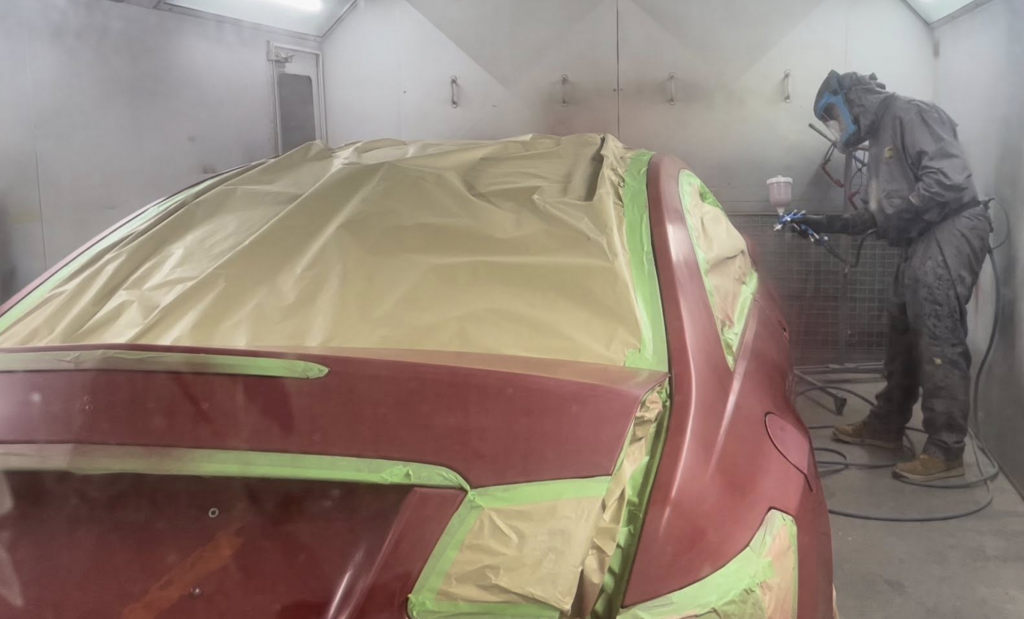
This section focuses on the most important part of any painting project — your safety. You’ll learn how to protect yourself from the harmful chemicals found in automotive paints and thinners, and which equipment is essential to keep your lungs, skin, and eyes safe. From air-fed masks and respirators to gloves, overalls, and ventilation systems, it explains exactly what you need and why it matters. With the right setup and a few simple habits, you can paint confidently knowing you’re protected from the health risks that come with the job.
Section 4 Types of Paint:
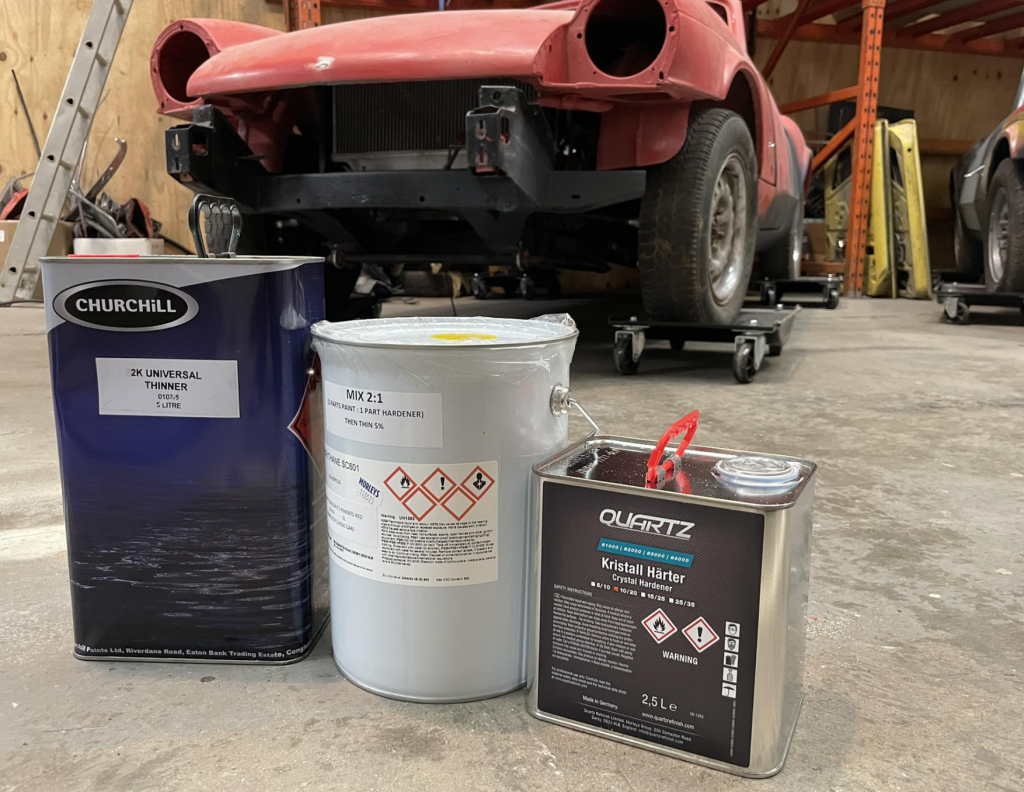
This section demystifies the many different types of automotive paint and explains exactly how each one works. From primers and sealers to basecoats, clear coats, and 2K systems. You’ll discover what each paint is used for, how to mix and apply it correctly, and how to avoid common beginner mistakes. It also covers essential details like drying times, mixing ratios, and the right order to apply each layer for a professional finish. By the end, you’ll understand the strengths and quirks of every paint type so you can confidently choose the right products and build a flawless, long-lasting result on your project.
Section 5 Common Paint Defects:
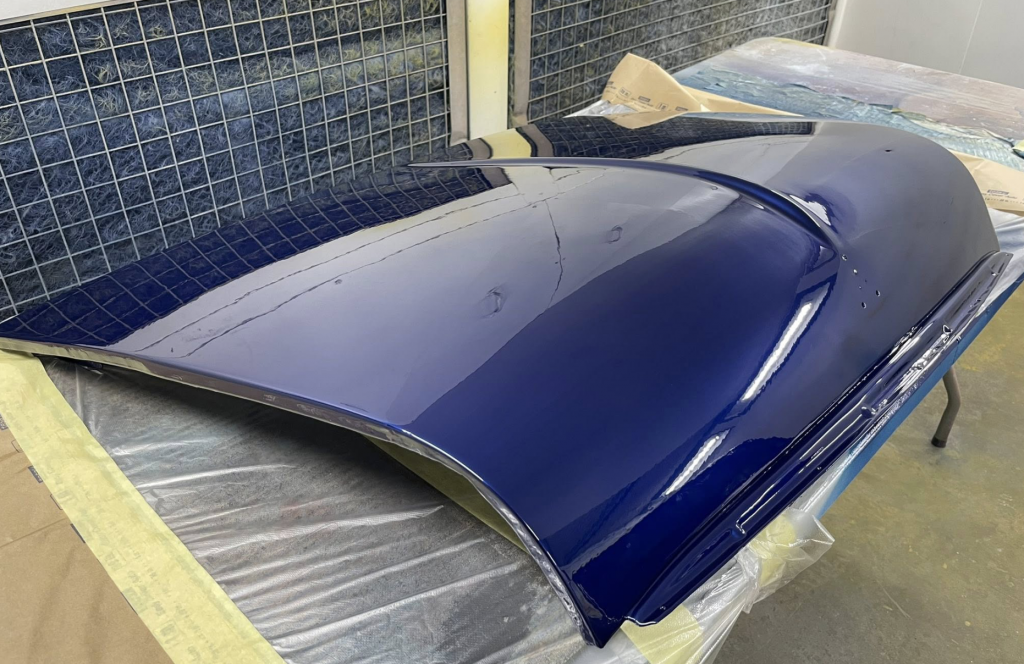
This section tackles one of the most valuable lessons every painter learns: how to deal with paint defects. Even experienced professionals get runs, sags, fish eyes, and orange peel from time to time, so don’t be disheartened when it happens to you. Each mistake is a chance to improve your technique and understand your materials better. You’ll learn how to identify the most common paint problems, what causes them, and most importantly, how to fix them. From levelling out drips and sanding away sags, to preventing contamination that leads to fish eyes, and perfecting your gun setup to avoid orange peel, you’ll gain the confidence to handle whatever goes wrong! By the end of this section, you’ll not only know how to avoid these defects before they happen, but also how to repair them when they do, turning frustrating setbacks into valuable experience and steadily improving your results with every project.
Section 6 Basic Painting Techniques:
This section is all about developing the control and rhythm that separate a decent paint job from a truly professional finish. Painting a car or motorcycle isn’t just a matter of pulling the trigger and hoping for the best, it’s a skill that combines precision, timing, and feel. You’re not so much painting as you are laying down material in a smooth, even film. Here, you’ll learn the core techniques that every good painter needs to master early on: how far to hold your gun, how quickly to move it, how to overlap your passes for perfect coverage, and how to keep the right angle across flat panels and tricky curves. These fundamentals are the foundation of every great paint job. By the end of this section, you’ll understand exactly what good technique looks and feels like and you’ll be able to practice it with confidence.
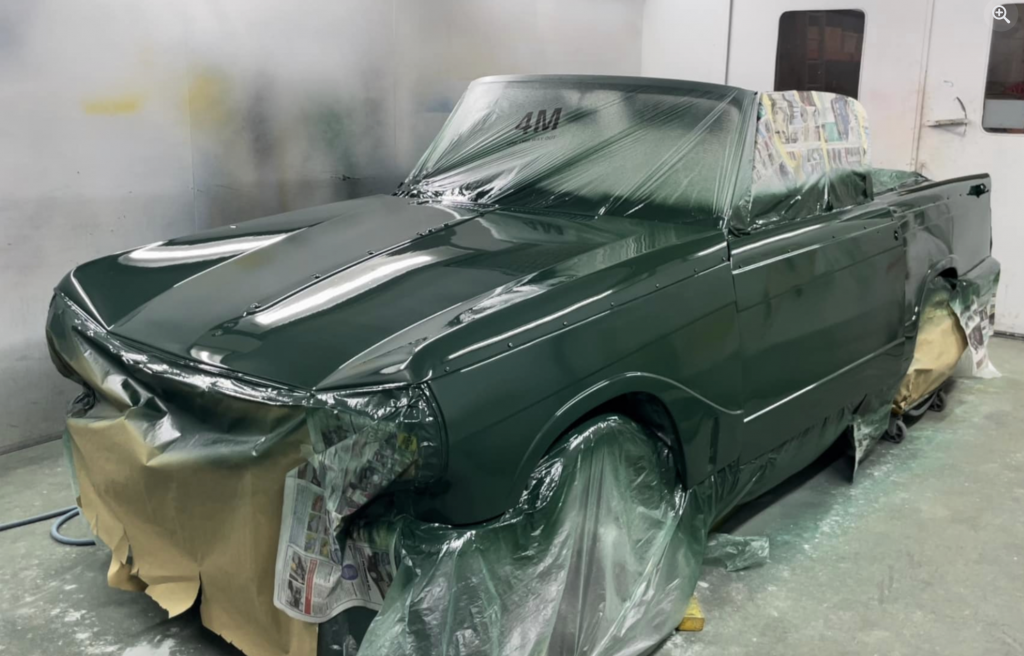
Section 7 Assessing Your Project:
Info to come.
Section 8 Panel Preparation:
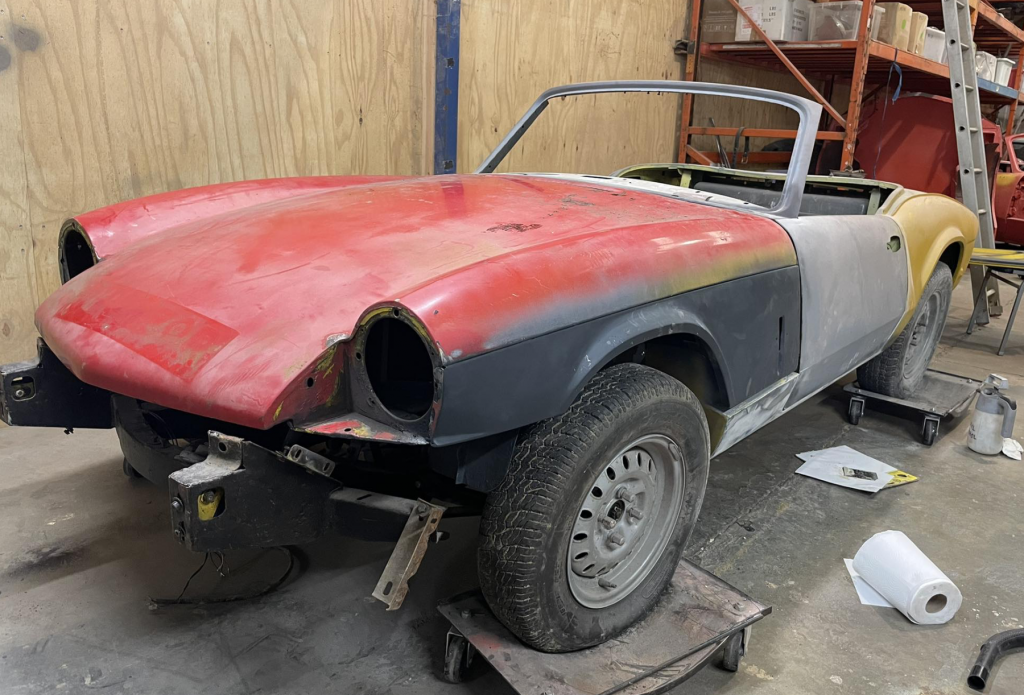
This section covers one of the most critical, yet often underestimated stages of painting: panel preparation. Before you even touch the spray gun, your panels need to be perfectly clean, smooth, and properly keyed for paint to stick. It’s the difference between a flawless, glassy finish and one full of flaws, dust, or peeling edges.
Here, you’ll learn exactly how to prepare your panels step by steprom deep cleaning and sanding off old gloss, to scuffing awkward edges, wiping away invisible contaminants, and using tack rags for that final dust-free surface. Each part of the process has a purpose, and skipping any one of them will show in your final finish.
By the end of this section, you’ll understand how professional painters get their surfaces so perfectly clean and ready for paint, and you’ll be able to do the same in your own workspace. It’s not glamorous work, but it’s where great paint jobs are truly made — because when the prep is right, the painting almost takes care of itself.
Section 9 Painting Order Examples:
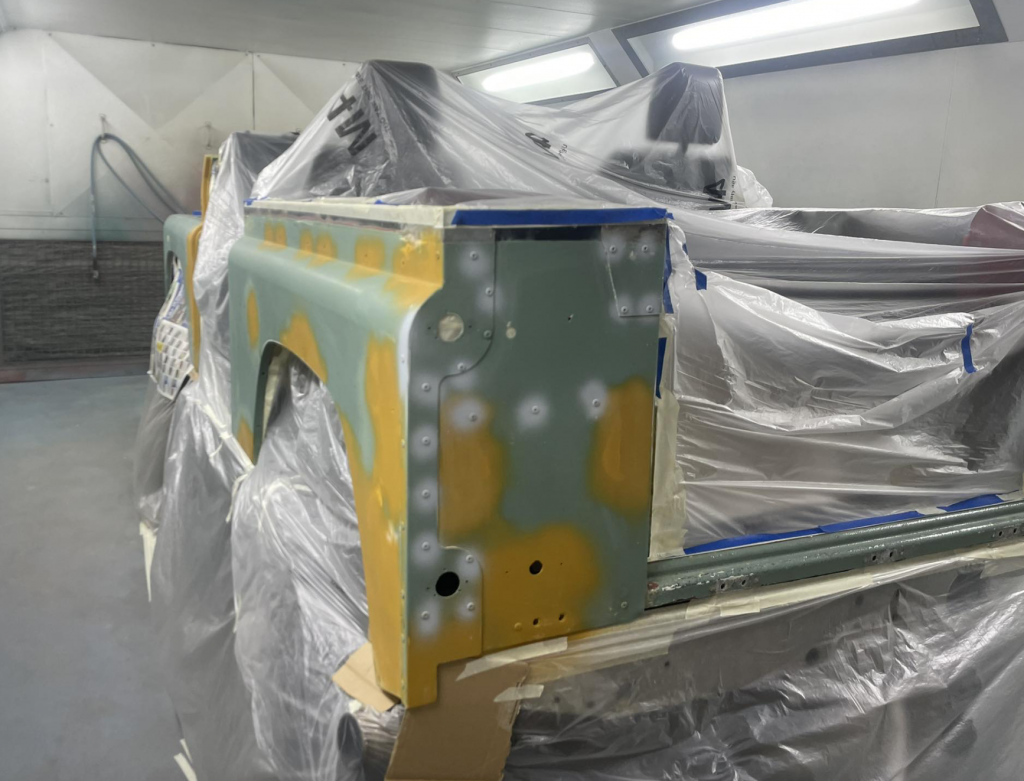
Info to come.
We now have a group of people to test this first version before its official release. Testers are getting get full access to the guide for free in return for honest feedback to help us refine and improve the final product. Sorry we now have enough people to help with this. However if you’d like a copy of the guide when it is complete you can pre-order it by texting the words ‘paint pdf order‘ to 07969 741442 and we’ll add you to the list. As soon as it is ready we will let you know and you’ll be able to order it for immediate download. Alternatively email your request for a copy to Steve@ChameleonClassicCars.co.uk. The guide is likely to be priced at around US$37.
You can also join our Facebook group of classic car and bike restorers here: https://www.facebook.com/groups/classiccarrestorersuk/